
Views: 0 Author: Site Editor Publish Time: 2026-03-02 Origin: Site
Selecting the right manufacturing partner can make or break your product development timeline. Silica sol casting, also known as the lost-wax process, produces exceptionally smooth surfaces and tight tolerances—but only when executed by a skilled factory. With countless silica sol casting suppliers competing for your business, how do you identify the one that meets your exact specifications?
This guide examines the critical factors that separate exceptional silica sol casting factories from average ones. From evaluating production capabilities to understanding quality control measures, you'll learn what questions to ask and what red flags to watch for. By the end, you'll have a framework for making an informed decision that protects your investment and ensures consistent, high-quality results.
Silica sol casting stands apart from traditional investment casting due to its superior surface finish and dimensional accuracy. While water glass (sodium silicate) casting remains common for less demanding applications, silica sol casting delivers smoother surfaces with Ra values as low as 1.6μm—often eliminating the need for secondary machining operations.
The silica sol process uses colloidal silica as the primary binder for the ceramic shell. This creates a harder, more chemically stable shell that produces castings with exceptional detail reproduction. The table below highlights key differences:
Feature | Silica Sol Casting | Water Glass Casting |
|---|---|---|
Surface Finish | Ra 1.6-3.2μm | Ra 6.3-12.5μm |
Dimensional Tolerance | ±0.13mm (±0.005") | ±0.25mm (±0.010") |
Shell Strength | High | Moderate |
Cost | Higher | Lower |
Best Applications | Precision parts, medical devices, aerospace components | General industrial parts, larger castings |
Companies like HunterValley specialize in silica sol investment casting and offer the precision needed for demanding industries. Their process produces parts that meet strict specifications without extensive post-casting work.
Quality certifications provide objective evidence of a factory's commitment to consistent manufacturing standards. When evaluating silica sol casting suppliers, look for facilities with ISO 9001:2015 certification at minimum. This international standard ensures the factory has implemented quality management systems that track every stage of production.
For specialized industries, additional certifications become essential:
ISO 13485: Required for medical device manufacturing
AS9100: Necessary for aerospace and defense applications
IATF 16949: Critical for automotive components
ISO 14001: Demonstrates environmental management commitment
A factory with relevant certifications has already invested in the infrastructure, training, and documentation systems needed to maintain consistent quality. Request copies of current certificates and verify their validity through the issuing organizations. Expired or pending certifications suggest potential gaps in the factory's quality systems.
Beyond certifications, ask about the factory's material testing capabilities. Reputable facilities maintain spectroscopy equipment for alloy verification, tensile testing machines for mechanical properties, and coordinate measuring machines (CMMs) for dimensional inspection.
Custom silica sol casting requires more than standard production equipment. The best factories demonstrate flexibility in handling unique specifications, complex geometries, and diverse material requirements. Start by requesting samples of similar parts they've produced. Examine surface finish quality, dimensional accuracy, and any visible defects.
Technical capabilities to evaluate include:
Material Range: Can the factory work with your specific alloy? Common materials include stainless steels (304, 316, 17-4PH), carbon steels, tool steels, and specialty alloys like Inconel or Hastelloy. Verify they have experience pouring your chosen material.
Size Limitations: Every factory has maximum and minimum part size constraints. Confirm your components fall within their capacity, typically ranging from small precision parts (10 grams) to larger castings (up to 50 kilograms for silica sol process).
Production Volume: Determine whether the factory handles prototype quantities, medium production runs, or high-volume manufacturing. Some specialize in rapid prototyping with quick turnarounds, while others optimize for large-scale production efficiency.
Secondary Operations: Ask about in-house capabilities for heat treatment, CNC machining, surface finishing, and assembly. Factories offering comprehensive services streamline your supply chain and reduce coordination challenges.
Request a detailed process flow document that outlines each manufacturing step, from wax pattern creation through final inspection. This transparency reveals how thoroughly the factory has systematized their operations.
Modern silica sol casting factories invest heavily in automation and precision equipment. The sophistication of a facility's machinery directly impacts the consistency and quality of finished castings. During factory visits or virtual tours, pay attention to these key technologies:
Wax Injection Systems: Automated wax injection machines with precise temperature and pressure controls produce consistent patterns. Manual systems introduce more variation and potential defects.
Shell Building: Advanced dip tanks with automated dipping robots ensure uniform shell thickness. Temperature-controlled rooms maintain optimal conditions during shell drying and hardening.
Furnaces: Modern dewaxing autoclaves and high-temperature melting furnaces with digital controls provide repeatable thermal profiles. This consistency reduces casting defects related to improper dewaxing or metal pouring temperatures.
Quality Control: Digital radiography (DR) or computed tomography (CT) scanning detects internal defects non-destructively. CMMs verify dimensional accuracy to tight tolerances. Spectroscopy equipment confirms material composition.
The presence of enterprise resource planning (ERP) and manufacturing execution systems (MES) indicates data-driven process control. These systems track materials, monitor production progress, and generate quality documentation automatically—reducing human error and improving traceability.
Factories that regularly upgrade equipment demonstrate commitment to maintaining competitive capabilities. Ask about their capital investment schedule and recent technology additions.
Specialized industry knowledge significantly impacts casting success. A factory experienced in your sector understands the unique challenges, regulatory requirements, and performance expectations specific to your application. For example, aerospace castings demand different documentation, testing, and traceability than industrial pump components.
Consider these industry-specific factors:
Regulatory Knowledge: Medical device manufacturers must navigate FDA regulations and biocompatibility requirements. Aerospace suppliers need AS9100 certification and familiarity with NADCAP requirements. Automotive parts require PPAP documentation and adherence to customer-specific standards.
Material Expertise: Different industries favor specific alloys. Marine hardware requires corrosion-resistant stainless steels, while high-temperature applications demand nickel-based superalloys. Factories experienced in your industry know which materials perform best.
Testing Requirements: Some applications demand extensive non-destructive testing (NDT), mechanical property verification, or dimensional inspection beyond standard requirements. Experienced factories anticipate these needs and have appropriate capabilities.
Review the factory's portfolio and client list. Companies like HunterValley serve multiple sectors including pump/valve manufacturing, construction hardware, automotive parts, and marine applications. This diversity indicates broad capabilities while maintaining specialized expertise in each area.
Request references from clients in similar industries. Speaking directly with current customers provides insights into communication quality, problem-solving abilities, and overall reliability.
Production schedules impact your product launch timelines and inventory management. Understanding a factory's lead times and capacity constraints helps you plan accordingly and avoid costly delays. Standard silica sol casting lead times typically range from 4-8 weeks depending on complexity, but can extend longer for new tooling development or high-volume orders.
Break down the timeline into distinct phases:
Tooling Development (2-4 weeks): Creating wax injection molds represents the longest initial delay for new parts. Factories with in-house tooling capabilities often complete this faster than those outsourcing tool-making.
Sample Production (2-3 weeks): First article inspection allows you to verify dimensional accuracy and surface finish before committing to full production. Factor this validation step into your schedule.
Production Run (1-4 weeks): Volume affects production duration. Small batches (50-200 pieces) may complete within a week, while thousands of parts require multiple production cycles.
Secondary Operations (1-2 weeks): CNC machining, heat treatment, and finishing operations add time after casting completion. Confirm whether quoted lead times include these steps.
Ask about the factory's current capacity utilization. Facilities running at 90-100% capacity may struggle to accommodate rush orders or volume increases. Those with available capacity offer more scheduling flexibility.
Establish clear communication protocols for production updates. Regular progress reports help you anticipate delivery dates and manage your downstream operations effectively.
Comprehensive quality control separates excellent castings from mediocre ones. Every silica sol casting factory claims high quality, but their inspection procedures reveal the truth. Request detailed information about their quality control plan, including inspection frequency, methods, and acceptance criteria.
Key quality checkpoints include:
Incoming Material Inspection: Spectroscopic analysis verifies alloy composition of raw materials before melting. This prevents costly mistakes from using incorrect materials.
Pattern Inspection: Dimensional checks on wax patterns catch tooling issues before shell investment. This early detection minimizes waste and rework.
Shell Quality Verification: Shell thickness measurements and permeability tests ensure proper shell development. Weak or uneven shells lead to casting defects.
Casting Inspection: Visual examination identifies surface defects, while dimensional inspection confirms accuracy. NDT methods (radiography, ultrasonic testing, dye penetrant) detect internal flaws.
Mechanical Testing: Tensile testing, hardness testing, and impact testing verify material properties meet specifications. Test certificates should accompany shipments.
Final Audit: 100% visual inspection before packaging catches any remaining defects. Statistical process control (SPC) charts track trends and trigger preventive actions.
Request the factory's typical defect rate and information about their corrective action procedures. How do they handle non-conforming parts? What steps prevent recurring issues? Strong quality systems include root cause analysis and continuous improvement initiatives.
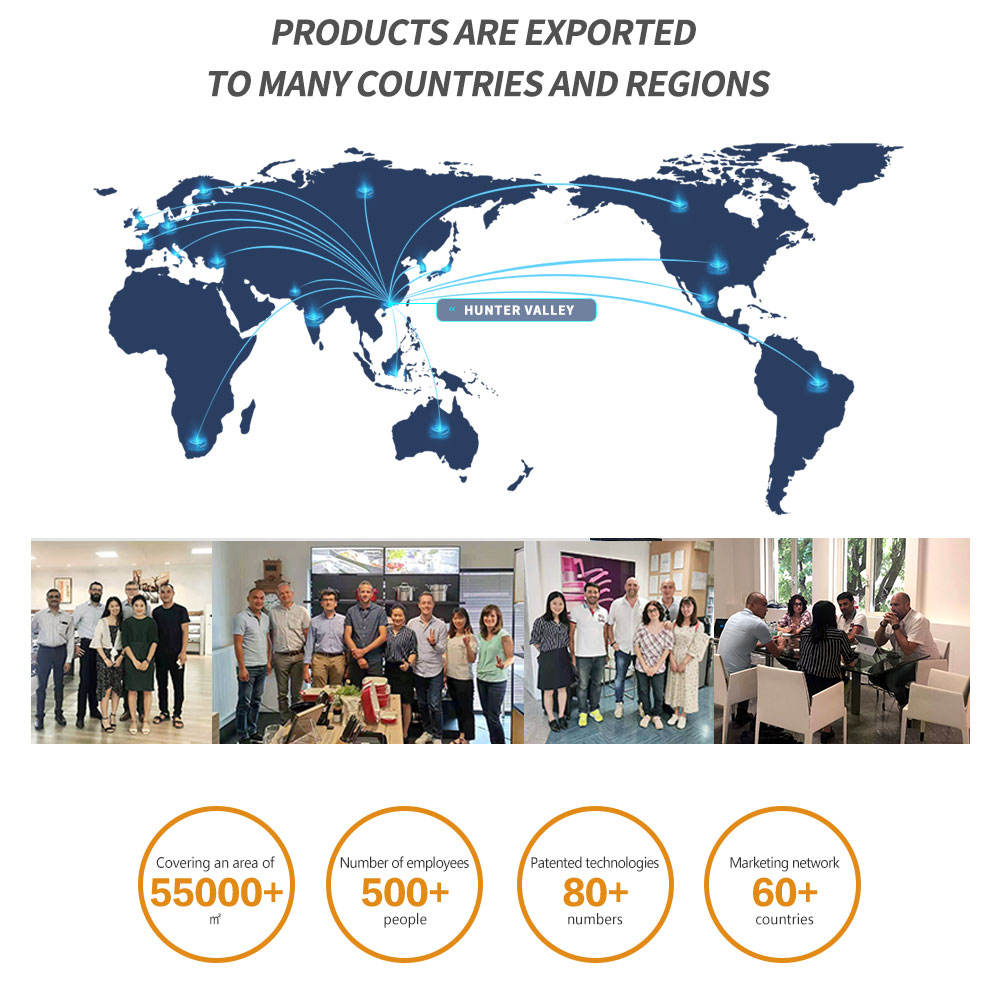
Effective communication determines project success as much as technical capability. When problems arise—and they inevitably do in manufacturing—responsive support makes the difference between minor delays and major disruptions. Evaluate potential partners based on their communication practices during the quoting and sampling phases.
Important communication factors:
Language Proficiency: If working with overseas factories, confirm English proficiency (or your preferred language) of key contacts. Misunderstandings about specifications lead to costly errors.
Responsiveness: Track how quickly they respond to inquiries. Slow communication during the sales process often worsens after orders are placed.
Technical Support: Can their engineers provide design for manufacturability (DFM) feedback? Do they proactively suggest improvements to reduce costs or improve quality?
Documentation: Clear quotes, detailed drawings with tolerances, comprehensive inspection reports, and material certificates demonstrate professional operations.
Project Management: Assigned project managers or account representatives provide single points of contact and continuity across multiple orders.
Problem Resolution: Ask how they handle quality issues or delivery delays. Factories that acknowledge problems honestly and work collaboratively toward solutions build long-term partnerships.
Test their communication quality by submitting technical questions during the quoting process. Their answers reveal both expertise and willingness to engage in detailed discussions about your requirements.
Factory visits provide invaluable insights that photos and videos cannot capture. Walking through production areas, observing work practices, and meeting the team creates confidence in your manufacturing partner—or reveals concerns that warrant looking elsewhere.
During facility tours, observe:
Organization and Cleanliness: Well-maintained facilities indicate attention to detail that carries over to product quality. Disorganized or dirty factories suggest poor management practices.
Equipment Condition: Modern, well-maintained equipment produces better results than outdated or poorly maintained machinery. Look for signs of preventive maintenance programs.
Workforce: Skilled, engaged employees create better products than inexperienced or rushed workers. Notice whether staff follow documented procedures and use proper safety equipment.
Quality Control: Observe actual inspection processes, not just the equipment. Are inspections thorough? Do inspectors follow written procedures? How are non-conforming parts segregated?
Material Handling: Proper storage and handling of raw materials, work-in-process, and finished goods prevents damage and contamination.
If international travel isn't feasible, request comprehensive video tours or arrange virtual factory visits. Many factories now offer detailed video conferencing sessions that provide reasonable alternatives to physical visits.
Review online presence and reputation through industry forums, trade associations, and customer reviews. Consistent positive feedback from multiple sources validates a factory's claims about capabilities and service quality.
Choosing the right silica sol casting factory requires balancing multiple factors: technical capabilities, quality systems, industry experience, communication quality, and cost. No single factory excels at everything, so prioritize the factors most critical for your application.
Create a decision matrix rating each potential supplier across your key criteria. Weight factors according to their importance—precision parts demand higher quality scores while commodity components may prioritize cost. This structured approach removes emotion from the selection process and creates defensible decisions.
Start with small trial orders before committing to large production volumes. Initial runs reveal how well the factory executes against promises made during sales discussions. Gradually increase order sizes as confidence builds through demonstrated performance.
Remember that the lowest price rarely delivers the best value. Factor in the total cost of ownership including:
Transportation and logistics costs
Quality-related rework or rejection rates
Inventory carrying costs due to longer lead times
Engineering support and problem-solving assistance
Long-term reliability and consistency
A slightly more expensive factory with excellent quality and communication often costs less over time than a cheap supplier requiring constant oversight and damage control.
For businesses seeking a reliable partner with proven expertise across multiple industries, HunterValley offers comprehensive silica sol casting services backed by 18+ years of precision casting experience. Their commitment to quality, innovation, and customer service positions them as a strong candidate for your custom silica sol casting needs.
The right manufacturing partnership extends beyond transactional purchasing to become a collaborative relationship that drives mutual success. Invest time upfront in thorough evaluation, and you'll establish a reliable supply chain that supports your business growth for years to come.


